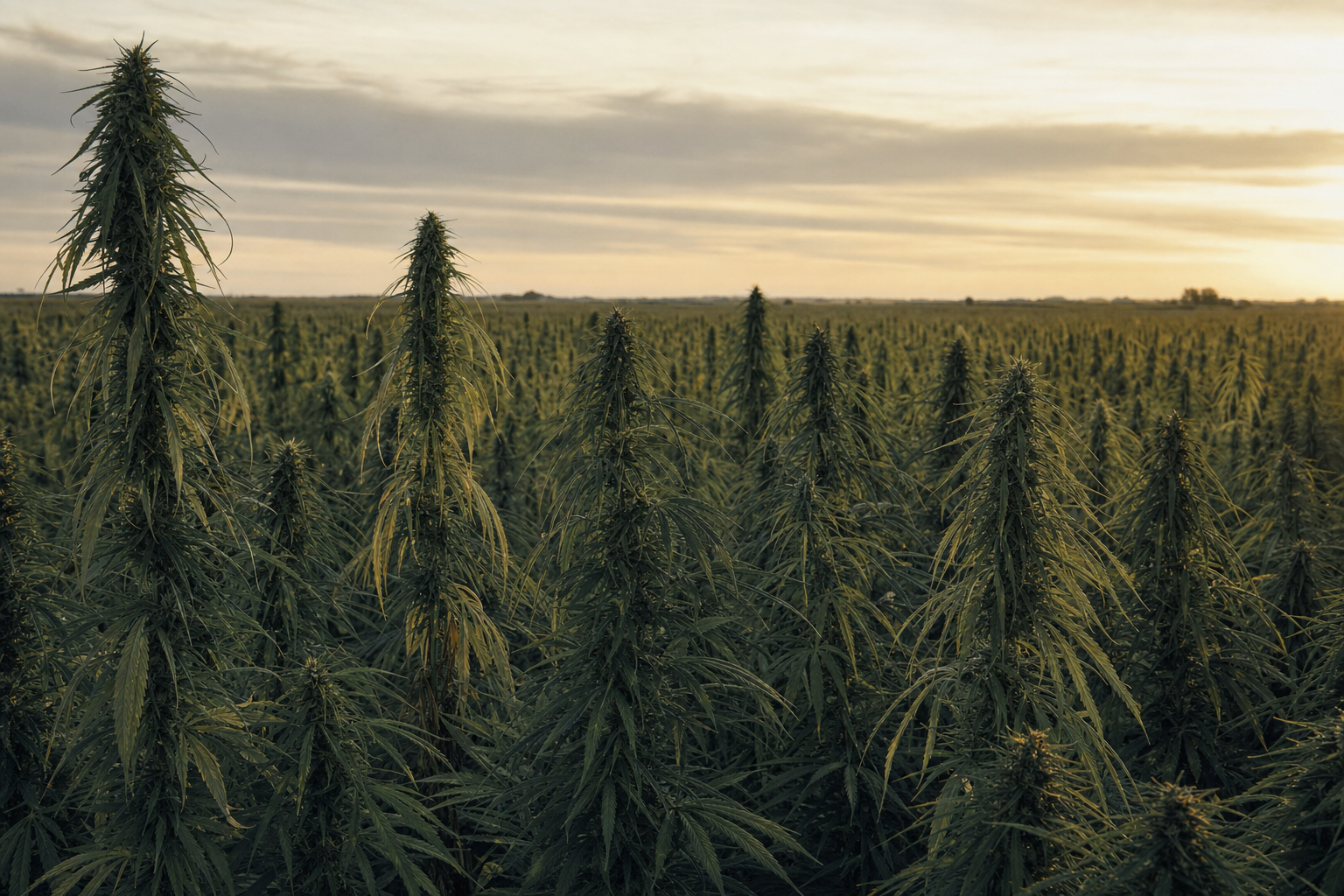
Hemp Economics
What if cannabis sativa had never been outlawed?
What would the US and world economy look like today had cannabis never been maligned and outlawed some 100 years ago? What if the cannabis sativa species had always been treated legally like any other agricultural crop in that it's grown in backyard gardens like tomatoes, and industrial hemp transacts across international borders like corn and cotton?
It's an interesting question when you consider the decades-long prohibition not only outlawed all R&D into the health and medical benefits of the cannabis flower, but effectively snuffed out all agronomic innovation in cultivation and processing of the entire hemp plant. This website and blog focuses on the economic impacts of prohibition and speculates what the US and world economy would look like today had cannabis never been outlawed.
Most associate cannabis with recreational consumption of the psychoactive cannabinoid THC or, in recent years, the healing properties of the cannabinoid CBD. Lost in the conversation is industrial hemp as raw material feedstock to a variety of industries, the economic potential of which eclipses today's demand for both THC and CBD.
Few realize hemp will produce 4x the amount of paper than trees, 2x the amount of fiber than cotton, and requires far less water, fertilizer and agricultural chemicals than existing crops. By producing more biomass with less inputs, hemp provides superior economics to farmers and is far more environmentally friendly than existing crops. By producing 4x the amount of paper than trees, hemp not only helps in the preservation of endangered forest, but hemp captures 4x the amount of carbon than trees.
The strength and durability of hemp fiber and the high silica content of hemp hurd provide idiosyncratic advantages, making them superior raw materials relative to existing feedstocks for industries ranging from textiles to building materials. Compared to cotton, hemp fabric is stronger, more durable, better insulating and more absorbent. Compared to gypsum or fiberglass, hempcrete — a mixture of lime, hemp hurds and water — is a superior insulating material with higher vapor permeability, humidity control and more resistance to mold, fire and pests.
Because hemp can serve as a superior feedstock to a variety of industries, an economy where cannabis has always been legal would look very different than the current economy. Rural America would be far more prosperous today if the one-third of the current 90 million acres of corn currently used for subsidy-dependent ethanol were instead cultivated with industrial hemp. Winners would include farmers, consumers, rural-based manufacturing and the environment. Losers would include the pharmaceutical industry, timber, cotton and petrochemicals used as feedstock for synthetic fibers and plastics.
"Rural America would be far more prosperous today if the one-third of the current 90 million acres of corn currently used for subsidy-dependent ethanol were instead cultivated with industrial hemp."
The two essays below dig into why the cannabis sativa plant has such wide industrial applications, and who would be the winners and losers in a world where there was no prohibition of the cannabis species.
Winners & losers, at a glance
If prohibition had never happened
- The environment
- US Farmers
- Farm equipment manufacturers
- US rural-based manufacturing
- Consumers' health & pocketbook
- People incarcerated for marijuana
- Pharmaceutical industry
- Timber industry
- Cotton industry
- Agricultural chemicals
- Petrochemicals & synthetic fibers
- Alcohol, brewers, distillers
- Drug enforcement industry
- Prison industry
Read the essays
Two deep dives
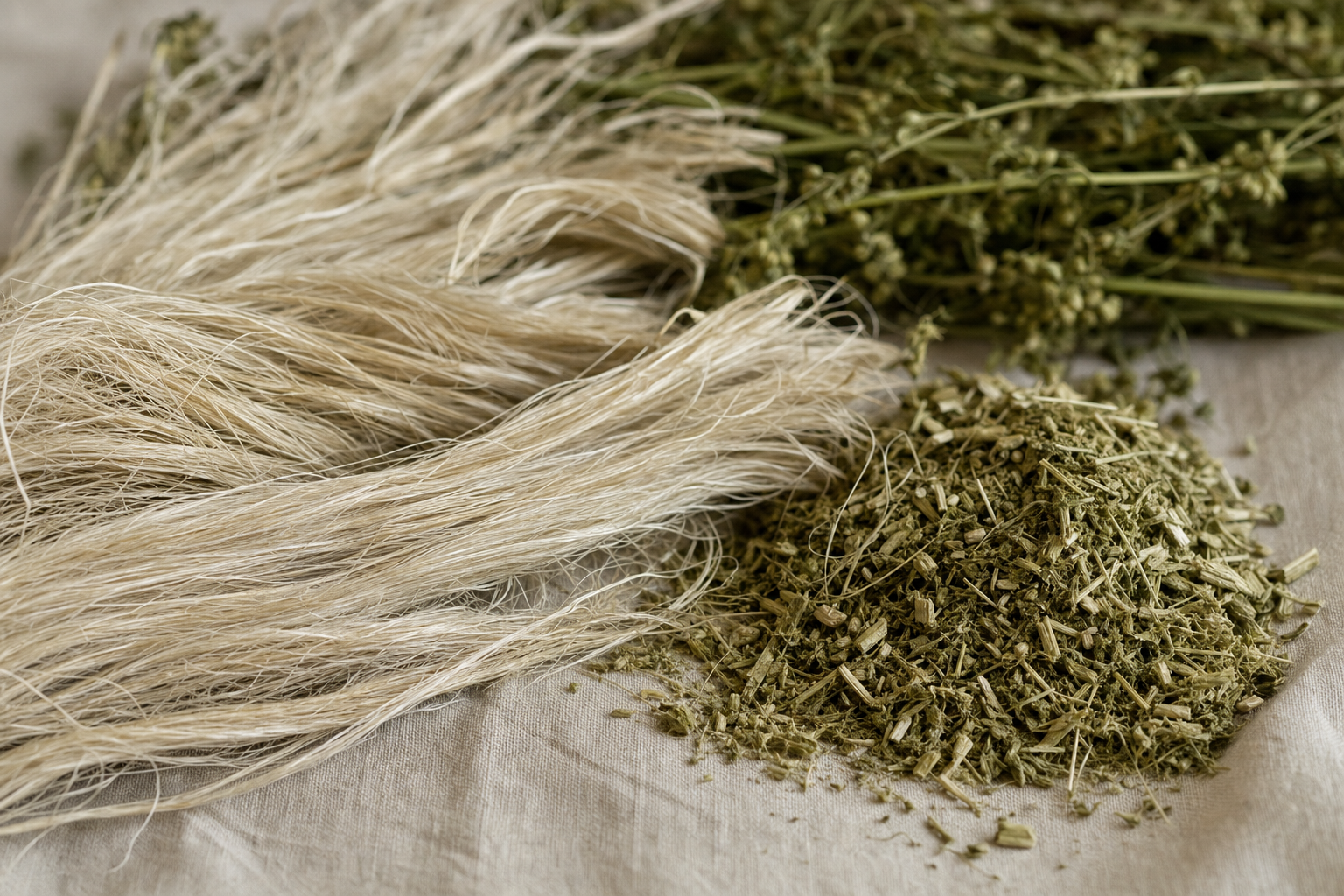
The Wide Applications for Cannabis Sativa
From cannabinoid flower to bast fiber and hurd biomass — how one plant feeds textiles, paper, building materials and revenue per acre multiples higher than cotton, corn, soy or wheat.
Read the essay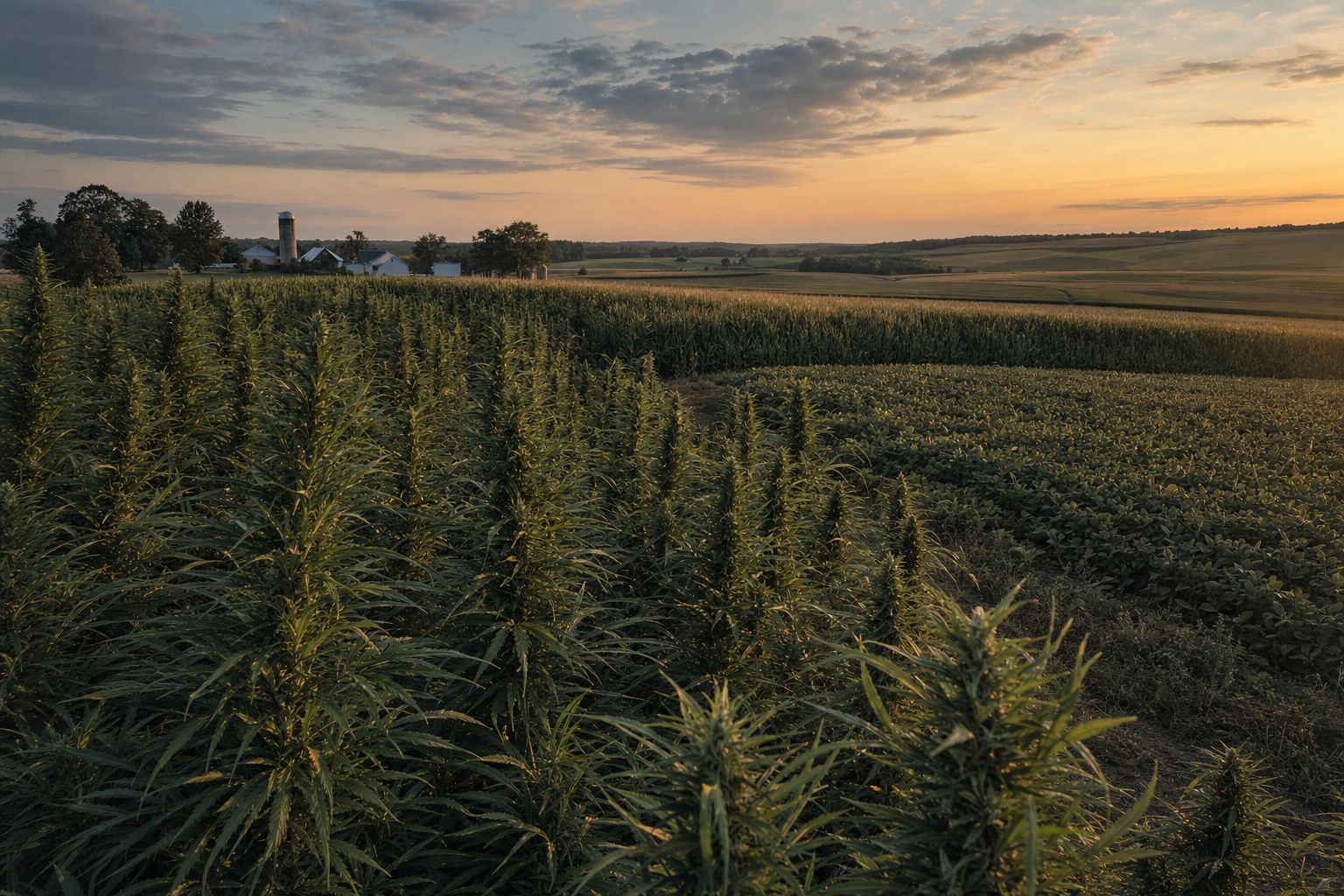
Winners & Losers of Prohibition
A $97.4 billion pharmaceutical TAM at risk, a $72 billion farm-revenue opportunity, and why teen marijuana use hasn't spiked where cannabis is already legal.
Read the essay